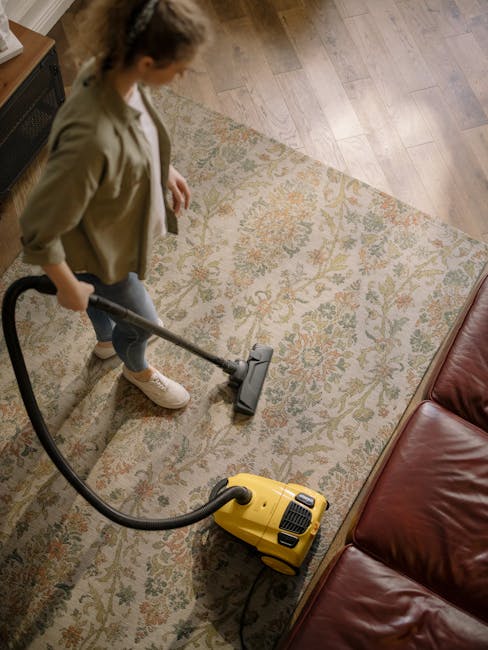
Shacklewell Lane rug cleaning experts for E8 homes
If you live in E8, you already know rugs do a lot of heavy lifting. They soften hard floors, warm up a room, quiet footsteps, and pull a space together in a way that feels effortless. The catch? They also collect the mess of everyday life: muddy shoes from a damp walk, crumbs under the sofa, pet hair, that one wine splash that seemed minor at the time. This guide to Shacklewell Lane rug cleaning experts for E8 homes explains how professional rug care works, what to expect, and how to choose a sensible service without overthinking it. It is written for real homes, real fibres, and real-life stains. Not showroom perfection. Just practical, honest help.
Whether your rug is a modern synthetic flatweave, a wool hallway runner, or a more delicate woven piece, the right cleaning approach matters. Done properly, it can restore colour, remove odours, and extend the life of a rug you may have had for years. Done badly, well... you can end up with shrinkage, dye bleed, or a rug that still smells faintly damp a week later. Nobody wants that.
Expert summary: Good rug cleaning is not just about making fibres look brighter. It is about matching the cleaning method to the rug type, treating stains carefully, and drying the piece thoroughly so it comes back fresh, safe, and usable.
Table of Contents
- Why Shacklewell Lane rug cleaning experts for E8 homes matters
- How Shacklewell Lane rug cleaning experts for E8 homes works
- Key benefits and practical advantages
- Who this is for and when it makes sense
- Step-by-step guidance
- Expert tips for better results
- Common mistakes to avoid
- Tools, resources and recommendations
- Law, compliance, standards, or best practice
- Options, methods, or comparison table
- Case study or real-world example
- Practical checklist
- Conclusion
- Frequently asked questions
Why Shacklewell Lane rug cleaning experts for E8 homes Matters
Rugs are deceptively easy to neglect. Because they sit on the floor, people assume a quick vacuum is enough. Sometimes it is, for a while. But dust, grit, pollen, skin flakes, pet dander, and oily residues all settle deeper than the eye can see. Over time, that build-up wears fibres down and makes colours look tired. It is a slow fade, not a dramatic event, which is why so many people notice the problem only when they move furniture and see the difference underneath.
For E8 homes, the need can be even more practical. Busy hallways, compact flats, family homes with pets, and the general rhythm of London living all tend to push rugs harder than you might expect. Rainy-day grit is a classic culprit. So is the occasional spill when you are trying to juggle a cup of tea and a phone call. Happens to the best of us.
Professional rug cleaning matters because different fibres respond differently to moisture, agitation, heat, and cleaning solutions. Wool behaves differently from synthetic blends. Handwoven pieces need more care than machine-made rugs. A reliable cleaner should understand that, and if they do not, that is a warning sign. If you are also thinking about broader home care, it can be useful to look at related services such as carpet cleaning or upholstery cleaning, especially when several soft furnishings need attention at the same time.
There is also a hygiene angle. Rugs near entrances, kitchens, pets, or play areas can hold on to odours and unseen residue. Deep cleaning does not just improve appearance; it makes the room feel fresher. You notice it when you walk in. A room can look tidy but still feel a bit stale, and a proper rug clean often fixes that quietly.
How Shacklewell Lane rug cleaning experts for E8 homes Works
A proper rug clean usually begins with assessment, not washing. That sounds obvious, but it is where good results start. The cleaner should identify fibre type, backing, dye stability, construction, and any visible damage. A Persian-style rug, a viscose blend, and a thick synthetic hallway runner do not need the same treatment. Treating them as if they do is where problems begin.
From there, the process generally follows a few careful stages:
- Inspection and fibre testing to check for colourfastness, wear, stains, and weak areas.
- Dry soil removal using controlled vacuuming or dust extraction to lift loose grit before wet cleaning.
- Pre-treatment for specific stains, odours, or high-traffic marks.
- Deep cleaning using a suitable method such as low-moisture cleaning, hot water extraction where appropriate, or specialist hand cleaning.
- Rinsing or residue removal so the rug does not feel sticky afterwards.
- Drying and finishing to prevent damp smells, browning, or fibre distortion.
That last stage is more important than people think. A rug can look lovely when wet and still end up disappointing if it dries unevenly. In our experience, the drying plan is just as important as the wash itself. A good cleaner will talk about air movement, drying time, and where the rug should be placed after cleaning. If that part feels vague, ask more questions.
Some rugs benefit from specialist stain removal before the main clean, especially if there is food, drink, or pet-related soiling. For persistent marks, the cleaner may recommend stain removal as part of the process. If the issue is pet-related, then pet stain odour removal may be the better fit because scent molecules and urine salts need different treatment than a simple surface stain.
Key Benefits and Practical Advantages
There is a reason people keep coming back to professional rug cleaning rather than replacing rugs every few years. A well-cleaned rug can transform a room without the expense of buying new. Simple as that.
- Better appearance: Colours often look richer once embedded dirt is removed.
- Longer rug life: Grit acts like sandpaper underfoot, so removing it helps fibres last longer.
- Improved freshness: Odours from pets, food spills, or general use are reduced.
- More comfortable living spaces: Clean rugs make a room feel calmer and more cared for.
- Safer surfaces: Removing sticky residue or uneven damp patches can reduce slip or trip concerns around rug edges.
- Better for sensitive households: Regular cleaning can help reduce dust and trapped debris, which many households find helpful.
There is another benefit people often overlook: confidence. When a rug is visibly clean, you stop worrying about it. You do not avoid the area. You do not apologise for the smell when someone sits down. You just enjoy the room again. Truth be told, that matters quite a lot.
If you want a service that is transparent about process and expectations, it is worth checking a company's wider approach too, including pages like about us and insurance and safety. Those details do not clean a rug by themselves, of course, but they do tell you a lot about how carefully the business operates.
Who This Is For and When It Makes Sense
This service makes sense for a wide range of E8 households, but especially for people whose rugs are doing more than just looking nice. If your rug sits in a hallway, beneath a dining table, in a child's play space, or in a home with pets, it is working hard. Very hard, sometimes.
You may want expert rug cleaning if:
- the rug has a visible stain that did not shift with spot cleaning
- it smells musty, smoky, or pet-related
- the colours have dulled even after vacuuming
- the pile feels flat or gritty underfoot
- you are preparing a property for guests, sale, or a tenancy handover
- the rug is handmade, delicate, antique, or simply too precious to risk with DIY methods
It also makes sense if you have tried cleaning a spot yourself and the mark has spread. That happens more often than people admit. One tiny drip becomes a pale ring, then a slightly larger pale ring, and suddenly the "quick fix" looks worse than the original problem. Annoying, but common.
Some households benefit from combining rug cleaning with sofa cleaning or curtain cleaning. If a room feels generally dusty or flat, the issue may not be the rug alone. Soft furnishings tend to age together, which is why a broader clean can make the whole room lift.
Step-by-Step Guidance
If you are planning to book rug cleaning in E8, or you simply want to understand what a good service should look like, this step-by-step view helps.
1. Identify the rug type
Start by checking the label if there is one. If not, think about the material, weave, and age. Wool, cotton, silk, viscose, synthetic fibres, and blended rugs all need different care. If the rug is handmade or has fringe detailing, mention that early. Details matter.
2. Check the problem clearly
Is it dirt, staining, pet odour, flattening, or all of the above? A spot that looks like a stain may actually be dye transfer. A smell may be trapped moisture rather than a surface issue. The more precisely you can describe it, the better the cleaner can prepare.
3. Ask about the cleaning method
Good cleaners do not force one method on every rug. Ask how they decide between low-moisture cleaning, hot water extraction, hand washing, or targeted treatment. If they can explain it in plain English, that is a good sign.
4. Prepare the space
Move small furniture if you can, and clear the rug area as much as possible. If the rug is staying in place, protect nearby skirting boards or furniture legs if requested. It only takes a few minutes and makes the visit smoother.
5. Approve pre-treatment for stains
Some stains need a dedicated approach before the main clean. Red wine, coffee, grease, pet accidents, and tracked-in mud all behave differently. Pre-treatment is not an optional extra in many cases; it is part of doing the job properly.
6. Allow proper drying time
Once cleaned, the rug should dry in a way that suits the fibre and the room conditions. Do not rush this. Walking on it too soon or folding it while damp can cause trouble. A little patience here saves a lot later.
7. Review the result with a practical eye
Look at the rug in daylight if possible. Check the texture, smell, and edges, not just the colour. A well-cleaned rug should feel fresh, not stiff or sticky.
Expert Tips for Better Results
A few small habits can make a big difference before and after cleaning. Nothing dramatic. Just the kind of practical sense that saves time and keeps rugs looking decent for longer.
- Vacuum regularly, but gently. Aggressive brushing can be rough on delicate fibres.
- Act quickly on spills. Blot, do not scrub. Scrubbing pushes the stain deeper and can distort the pile.
- Rotate rugs now and then. Uneven sun exposure and foot traffic can age one side faster than the other.
- Use a rug pad if appropriate. It can reduce movement and friction, especially on hard floors.
- Keep track of fibre sensitivity. Viscose and silk-like materials are not forgiving when soaked or overworked.
- Ask for aftercare advice. A good cleaner should tell you how long to wait before replacing furniture or vacuuming again.
One small but useful tip: if your rug sits near an entrance, try a simple shoes-off habit. It sounds minor, but it genuinely slows re-soiling. And yes, people forget. Constantly. Still worth doing.
For households concerned about product handling, drying, or the overall process, it is reasonable to read a provider's health and safety policy. That gives you a sense of the working standards behind the scenes.
Common Mistakes to Avoid
Most rug damage I have seen over the years starts with good intentions. Usually someone tries to sort a small issue quickly, and the fix creates a bigger issue. Happens all the time.
- Using too much water: Over-wetting can lead to browning, backing damage, or a lingering smell.
- Scrubbing hard: This can spread stains and rough up fibres.
- Using one cleaner for everything: What works on a synthetic mat may harm a wool or viscose rug.
- Ignoring fringes and edges: These areas often need more careful handling than the main field of the rug.
- Putting the rug back too soon: Trapped moisture is an invitation for odours and uneven drying.
- Choosing solely on price: Cheap can be expensive if the rug is damaged or the result is patchy.
There is also a communication mistake: people sometimes describe a rug as "just dirty" when there is actually a spill, a dye issue, a pet accident, and wear damage all happening at once. A cleaner cannot read your mind. Tell them the full story, even the embarrassing bit. Especially the embarrassing bit.
Tools, Resources and Recommendations
You do not need a van full of gear to care for rugs at home, but a few sensible tools help between professional visits.
- Vacuum cleaner with adjustable suction: Useful for regular maintenance without pulling on the pile.
- Soft brush or upholstery attachment: Helpful for surface dust and light debris.
- White absorbent cloths: Best for blotting spills without transferring dye.
- Neutral, fibre-safe spot treatment: Only if suitable for the rug type and used sparingly.
- Fan or open-air drying setup: Useful after accidental dampness, as long as it does not blow dirt into the rug.
On the service side, the most useful pages to review are the ones that explain methods and practical expectations. For example, the dedicated rug cleaning page should help you understand the service itself, while pricing and quotes can help set expectations before you book. If security matters to you, the payment and security page is worth a look too.
And if sustainability matters in your household, which it often does these days, a cleaner's approach to waste, water use, and product handling is worth checking. The recycling and sustainability page gives useful context for that side of the service.
Law, Compliance, Standards, or Best Practice
For rug cleaning, the most relevant point is not a dramatic legal rule but a standard of care. Professional cleaners should work safely, handle chemicals responsibly, protect flooring and furnishings, and avoid causing damage through careless method choice. In the UK, customers also have a right to clear information about what they are paying for, and businesses should be transparent about their terms, complaints process, and policies.
That is why it is sensible to review a provider's terms and conditions and complaints procedure before booking. It is not about being difficult; it is about being informed. If something goes wrong, you want to know how it will be handled.
Insurance matters too. Accidents are rare with a careful team, but rare is not impossible. A spill on a wooden floor, a snagged fringe, a stain that needs extra treatment - these are the kinds of things a professional should be prepared for. A business that openly discusses insurance and safety is usually taking its responsibilities seriously.
One more thing: accessibility and fair treatment matter just as much. If you have specific access needs, the company should have clear information available, and its service should be arranged in a way that feels respectful and practical.
Options, Methods, or Comparison Table
Not every rug should be cleaned the same way. The right choice depends on material, condition, and how much soiling has built up. Here is a simple comparison to help you think it through.
| Method | Best for | Strengths | Watch-outs |
|---|---|---|---|
| Dry soil removal | Every rug before deeper cleaning | Lifts grit and loose debris, improves results | Not enough on its own for stains or odours |
| Low-moisture cleaning | Delicate or lightly soiled rugs | Faster drying, less risk of saturation | May need extra stain treatment |
| Hot water extraction | Suitable synthetic or sturdy rugs | Deep flush of dirt and residues | Not ideal for every fibre or backing |
| Specialist hand cleaning | Handmade, antique, or fragile rugs | Careful, controlled, fibre-aware | Often slower and more labour-intensive |
If you are unsure which route fits your rug, ask for the cleaner's recommendation rather than guessing. A good expert will explain why one method is safer than another. That explanation should feel clear, not salesy.
Case Study or Real-World Example
A very typical E8 scenario goes like this. A household has a medium-sized rug in a living room that gets a lot of use. It started as the room's focal point, then slowly became the place where crumbs, muddy footprints, and a couple of drink marks accumulated. Nothing dramatic, just enough to dull the whole room.
The owners first tried a supermarket spot cleaner on one mark. That cleaned the centre of the stain but left a pale ring. A second attempt made the ring larger. Not ideal. They then booked a professional clean, and the cleaner first checked the fibre, then tested the colour stability, then treated the traffic areas more carefully than the lighter sections. The result was not "brand new" in a magical sense - rugs rarely are - but the room looked brighter, cleaner, and much more balanced. The odour had gone, too. That part made a bigger difference than expected.
What stood out was not just the cleaning itself. It was the explanation. The cleaner told them what could be improved, what would remain visible because of age, and how to keep the rug in better condition afterward. That kind of honesty builds trust. It also prevents disappointment, which is half the battle really.
Practical Checklist
Use this quick checklist before you book or when you are deciding whether your rug needs professional attention.
- Do I know what fibre the rug is made from?
- Have I identified whether the issue is dirt, stain, odour, or general dullness?
- Is the rug handmade, antique, or delicate?
- Have I asked how the cleaner handles drying?
- Have I checked whether stain or pet odour treatment is needed?
- Do I understand any access, parking, or room-prep requirements?
- Have I reviewed the company's policies and service information?
- Do I know when the rug can be walked on again?
- Have I arranged a plan for furniture to go back once the rug is dry?
- Am I comfortable with the proposed approach before work begins?
If you can tick most of those off, you are probably in a good place. If not, ask a few more questions. Better that than guessing.
Get a free quote today and see how much you can save.
Conclusion
The best Shacklewell Lane rug cleaning experts for E8 homes do more than freshen up a floor covering. They protect the rug's structure, improve the feel of a room, and save you from the trial-and-error mess that often comes with DIY cleaning. In a busy London home, that kind of practical help is worth a lot.
What you really want is a cleaner who listens, explains the method clearly, and treats your rug as something worth preserving. That means checking the fibre, dealing with stains properly, drying with care, and being honest about what can and cannot be improved. No fuss, no theatrics. Just solid work.
And honestly, when a rug comes back clean and the room suddenly feels calmer, it is a small but lovely thing. One of those quiet home upgrades you notice every day.
Frequently Asked Questions
How often should rugs in E8 homes be professionally cleaned?
It depends on traffic, pets, children, and where the rug sits. Hallway and living room rugs usually need more frequent attention than decorative pieces in low-use rooms. If the rug looks dull, smells stale, or feels gritty even after vacuuming, that is a fair sign it is due.
Can all rugs be steam cleaned?
No, not all rugs are suitable for steam or hot water extraction. Delicate fibres, handmade pieces, and certain backings may need a gentler method. A proper cleaner should inspect the rug first and explain why one method is safer than another.
Will professional rug cleaning remove pet odours?
Often, yes, but the success depends on how deep the contamination has gone and what material the rug is made from. Pet odour usually needs targeted treatment rather than a standard surface clean, which is why specialist pet stain odour removal can be useful.
How long does a cleaned rug take to dry?
Drying time varies by method, fibre, room temperature, and airflow. A low-moisture process will generally dry faster than a wetter one. The cleaner should give you realistic guidance rather than a vague promise.
Can old stains still be improved?
Yes, often they can. Old stains may not disappear completely, especially if they have already set or altered the dye, but professional treatment can still make a strong improvement. Sometimes the gain is bigger than people expect.
Is it safe to clean a wool rug at home?
Light maintenance is usually fine, but deep cleaning wool at home can be risky if you use too much water, the wrong product, or too much scrubbing. Wool can shrink, distort, or felt if mistreated. If the rug matters to you, caution is the sensible route.
What should I do before the cleaner arrives?
Clear small items, move fragile objects away from the cleaning area, and identify any stains or problem spots you want treated. If the rug is very heavy or fixed in place, mention that in advance. It helps the visit go smoothly.
How do I know if a rug cleaner is trustworthy?
Look for clear explanations, sensible questions about fibre type, transparent policies, and a practical approach to safety and insurance. A trustworthy cleaner should not overpromise, and they should be comfortable explaining what results are realistic.
Can rug cleaning help with allergies?
Many households find that removing accumulated dust and debris helps the room feel fresher and less heavy. That said, rug cleaning is not a medical treatment. It is better to think of it as part of a cleaner home environment rather than a cure-all.
Is there a difference between rug cleaning and carpet cleaning?
Yes. Rugs are usually movable, more varied in construction, and often more delicate than fitted carpets. Carpet cleaning is typically designed for fixed floor coverings, while rugs need more individual assessment. That distinction matters a lot in practice.
What if my rug has fringes or a delicate border?
Say so before the appointment. Fringes, borders, and decorative weaves often need extra care because they can fray, tangle, or react differently to cleaning. A careful cleaner will factor that in from the start.
Where can I find more service information before booking?
It helps to review the business's main service pages, including rug cleaning, pricing and quotes, and contact us if you need to ask a specific question before arranging a visit.