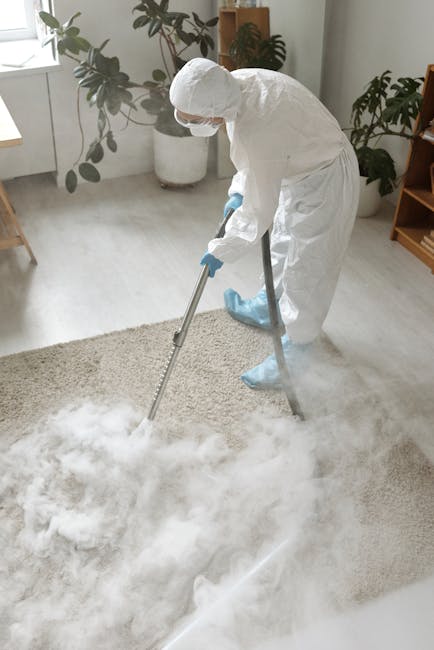
Same day emergency cleaning for Shacklewell water damaged carpets
If your carpet has been hit by a leak, overflow, burst pipe, or stormwater, the first few hours matter a lot. Same day emergency cleaning for Shacklewell water damaged carpets is designed to help you act quickly, reduce lasting damage, and stop a messy situation from turning into a much bigger one. In plain English: the sooner the carpet is assessed and treated, the better the chances of saving it, reducing odours, and limiting mould growth. And when you're standing there staring at a damp living room floor at 7:30 in the morning, you do not really want a lecture. You want a clear plan.
This guide explains how emergency carpet cleaning works in Shacklewell, when it makes sense, what to expect on the day, and which mistakes can make things worse. It also covers practical steps you can take before the cleaners arrive, plus the kinds of questions people usually ask when they are dealing with water damage for the first time. Let's get into it.
Why Same day emergency cleaning for Shacklewell water damaged carpets Matters
Water and carpet do not mix well for long. Once moisture settles into the fibres, underlay, and floor beneath, you can quickly run into staining, odour, bacterial growth, warped edges, and that unmistakable damp smell that seems to cling to everything. Same day emergency cleaning for Shacklewell water damaged carpets matters because speed changes the outcome. A small incident treated promptly can often be handled far more easily than a carpet left to sit overnight.
In Shacklewell, homes and flats can be tightly packed, busy, and full of day-to-day life. A spill from a washing machine hose, a shower leak from upstairs, or a hallway soaked by rain through an open entrance can spread fast. The carpet may look only mildly wet on top, but underneath, the backing can hold far more water than you expect. That hidden moisture is where the real trouble starts. To be fair, most people only discover that after the smell appears.
There is also a practical side. Emergency cleaning can help reduce disruption in a home where you may have children, pets, tenants, customers, or a schedule that simply cannot stop for long. If a room is out of action, life gets awkward quickly. If the carpet is commercial, a shop, office, or cafe may need a quicker return to normal, which is why many businesses look at commercial carpet cleaning alongside emergency response options.
Expert summary: With water-damaged carpets, the first goal is not just cleaning. It is damage control. Fast assessment, moisture removal, and careful drying are what protect the carpet, the underlay, and the room beneath it.
How Same day emergency cleaning for Shacklewell water damaged carpets Works
The process usually starts with a quick phone assessment. You explain where the water came from, how long the carpet has been wet, whether the water is clean or contaminated, and how much of the area is affected. That first conversation is useful because not every wet carpet should be treated in exactly the same way. A clean water leak from a pipe is very different from overflow or drainage water. The approach changes with the source.
Once the team arrives, they will usually inspect the carpet, lift a corner if needed, and check the underlay or subfloor conditions. They may measure moisture levels, identify risk areas, and decide whether the carpet can be saved in place or whether more aggressive drying is needed. In many cases, emergency cleaning combines extraction, targeted treatment, and drying rather than a simple surface clean. That's the bit people sometimes miss.
A proper same day response may include:
- removing standing water from the surface
- lifting dirt and debris brought in by the water
- treating affected fibres to reduce staining and odour
- speeding up drying with air movement and moisture control
- checking whether underlay or neighbouring materials have also been affected
The exact method depends on the fabric type, the carpet backing, the age of the carpet, and how long it has been wet. Wool carpets, synthetic carpets, and commercial low-pile carpets behave differently. A one-size-fits-all fix? Not really. That is usually where poor results start.
If the carpet is suffering from staining as well as water exposure, a separate stain removal treatment may be needed once moisture is under control. And if the problem came from pets mixed with water, odour treatment may also be relevant, especially in homes with busy family traffic or shared hallways.
There is often a moment, usually after the initial extraction, when the room looks better but still feels too damp. That is normal. Moisture can remain deeper in the fibres or underlay. This is why same day emergency cleaning is not just about visible results. It is about stopping what you cannot yet see.
Key Benefits and Practical Advantages
Emergency carpet cleaning is not only about speed for speed's sake. The practical advantages are real, and they show up fast.
1. Less chance of permanent damage
The longer water sits, the more likely it is to leave marks, leave a smell, or affect the carpet backing. Quick treatment gives the carpet a better chance of recovery. That is especially true for flats and rooms where moisture can spread under skirting boards or along joins.
2. Reduced odour buildup
Damp textiles can start smelling stale surprisingly quickly. Some people notice it in a few hours, others the next day. The sooner the carpet is cleaned and dried, the less likely the room is to take on that heavy, musty smell that lingers on clothing and soft furnishings too.
3. Better protection for the floor structure
Water does not stay politely on the carpet. It can soak through to underlay, wood, or concrete. Emergency cleaning helps reduce secondary damage, which can be the expensive part if ignored.
4. More useful than DIY guesswork
Let's face it, most people do not have the right extraction tools at home. Towels and fans help a bit, but they rarely solve the real problem. Professional emergency cleaning uses the right equipment and a more methodical approach.
5. Faster return to normal
If the room is your hallway, bedroom, or family sitting room, getting it back into use matters. Same day action can keep disruption short and manageable.
| Approach | Best for | Main advantage | Limitation |
|---|---|---|---|
| DIY towel drying | Very small spills | Immediate, low cost | Limited moisture removal; easy to miss hidden dampness |
| Portable fan drying | Minor surface wetting | Helps airflow | Slow and often incomplete on deep saturation |
| Same day emergency cleaning | Leaks, overflows, larger wet areas | Faster extraction, better assessment, reduced risk | Needs prompt booking and access to the property |
If you are comparing services and costs, it can help to look at a provider's pricing and quotes approach before you commit. With emergencies, clarity matters. Nobody likes surprises on the bill after a stressful afternoon.
Who This Is For and When It Makes Sense
This service is for anyone dealing with wet carpet and a clock that is already ticking. The obvious situations are burst pipes, washing machine leaks, radiator leaks, and bathroom overflows. But there are less dramatic cases too. A slow leak behind furniture can soak a patch of carpet without being noticed. A hallway can get drenched when rain is tracked in through a building entrance. A tenant might report a smell before anyone sees the source. It all counts.
Same day emergency cleaning makes sense when:
- the carpet feels wet, squelchy, or cold for longer than it should
- water has reached the underlay or edges of the room
- there is visible staining, especially from dirty water
- you need the room usable again quickly
- you want to reduce the risk of mould or odour
- the carpet is in a rental property, office, shop, or shared building
It is also a sensible choice if you are unsure how deep the water has gone. A carpet can look manageable on the surface and still be holding quite a lot underneath. In those cases, guessing wrong costs time.
For households, there is often a time pressure that arrives in a very ordinary way. School run. Work call. Dinner. Visitors. You can't always put the day on hold because the carpet decided to have a bad morning. Same day help is built for that reality.
If the issue has also affected soft furnishings, a broader approach may be useful. Some customers choose to address related items such as upholstery cleaning or even mattress cleaning if moisture has travelled beyond the floor. Not every job needs all of that, of course, but it is worth thinking beyond the obvious patch.
Step-by-Step Guidance
If you are dealing with a wet carpet right now, here is the practical order of operations. Nothing fancy. Just the right sequence.
- Stop the source if you can. Turn off the valve, unplug the appliance, or contain the leak. If the water is coming from somewhere you cannot safely access, do not take risks.
- Move light items off the carpet. Chairs, rugs, bins, and small furniture should be lifted away from the wet area before they stain or leave marks.
- Blot obvious surface water. Use absorbent towels or cloths to remove as much visible water as you reasonably can. Press rather than rub. Rubbing tends to spread the mess around.
- Avoid over-wetting the carpet further. Do not start pouring cleaning products on it unless you know they are suitable. A well-meaning quick fix can backfire.
- Open windows if it is safe and practical. Fresh airflow helps, though in cold or very humid weather it is not enough on its own.
- Call for same day emergency cleaning. Give the team the water source, room size, carpet type if known, and how long it has been wet. Those details help the response.
- Keep access clear. Professionals work faster when they do not need to move furniture around obstacles. Small thing, big difference.
- Follow drying advice carefully. If the carpet needs follow-up drying time, keep the area ventilated and avoid walking across it more than necessary.
One useful rule: if you are asking yourself whether a wet patch is "bad enough" to call someone, it usually is. That little hesitation is often the moment where hidden moisture has already started to settle in.
If the carpet is in a business space, it may also be sensible to review carpet cleaning options more broadly once the emergency has passed, so the room does not just look dry but feels properly refreshed too.
Expert Tips for Better Results
A few small decisions can make a big difference to the final outcome. These are the things that tend to help in real homes and real premises.
- Act before odour sets in. Once a damp smell becomes noticeable, the job is usually more involved. Not impossible, just more stubborn.
- Document the damage if needed. For rental properties, insurance-related claims, or building management issues, take a few clear photos before cleaning begins.
- Think about the source water. Clean water from a supply line is different from grey water or contaminated overflow. That changes the cleaning method.
- Ask what is being dried, not just cleaned. Carpet fibres are one thing. Underlay and subfloor layers matter too.
- Use air movement wisely. Fans help most when paired with extraction and moisture control, not as a standalone fix.
- Keep heat moderate. Too much heat can damage certain fibres or make the surface dry faster than the backing. Looks fine, but underneath? Not always.
To be fair, water damage can be a bit deceptive. The room may seem calmer once the surface is dry, but hidden dampness can remain. That is why an experienced cleaner will often check the broader area, especially around the edges, door thresholds, and furniture lines.
If odours are already becoming a concern, it can help to read up on related drying and freshness issues too, such as quick fixes to eradicate damp odours. Even when you do everything right, the last traces can hang around if the moisture was substantial.
Common Mistakes to Avoid
Most water-damage mistakes are understandable. People are stressed, the room is messy, and there is a natural urge to do something fast. The trouble is that fast does not always mean effective.
- Waiting to see if it dries on its own. This is probably the biggest one. Carpets can hold moisture far longer than people expect.
- Scrubbing the wet area. Scrubbing can push dirt deeper into the fibres and spread the affected zone.
- Using random cleaners straight away. Some products leave residues or react badly with the carpet fibre.
- Ignoring the underlay. A carpet may look okay while the layer beneath remains damp.
- Walking over the area repeatedly. That grinds dirt in and slows the drying process.
- Putting furniture back too soon. Heavy items can trap moisture and leave rust or dye marks.
One slightly annoying truth: a carpet can be "almost dry" for hours and still not be ready for normal use. That half-dry stage is where people often make things worse by moving everything back too early. Patience, just a bit, really helps here.
Tools, Resources and Recommendations
Emergency carpet cleaning teams usually bring specialist tools, but it helps to know what those tools are and why they matter. You do not need to become an expert overnight. Still, a little knowledge helps you ask better questions.
- High-powered water extraction equipment: removes surface and embedded moisture much faster than household vacuums.
- Moisture meters: help assess how deep the dampness has travelled.
- Air movers and drying equipment: encourage rapid airflow across the carpet and backing.
- Targeted cleaning agents: used to lift dirt and reduce residue without damaging fibres.
- Protective materials: useful for shielding adjacent areas during the cleanup.
When speaking with a provider, a helpful question is: "How will you check that the carpet is dry underneath, not just on top?" That one tends to separate a quick surface job from a more careful emergency response.
You may also want to ask whether related services are available if the water has affected more than the carpet. For example, if a sofa base or nearby drapes picked up dampness, services like sofa cleaning or curtain cleaning may help restore the room more completely after the carpet issue is handled.
If you are comparing providers in Shacklewell, it is sensible to check insurance and safety information, especially for busy homes, commercial spaces, or larger cleanups. You want reassurance that the work is being done carefully, not just quickly.
Law, Compliance, Standards, or Best Practice
For most homeowners, emergency carpet cleaning is a practical service rather than a regulated drama. Still, best practice matters. In the UK, property owners and managers generally have a duty to deal with hazards in a reasonable way, particularly where water damage could create slips, odours, or mould-related problems. If the property is rented or shared, it is sensible to communicate quickly with the landlord, agent, or building manager.
In commercial settings, documentation is often wise. That may include photos, dates, notes about the source of the water, and records of actions taken. If the cleanup is part of a bigger maintenance issue, those notes can be helpful later. It is not glamorous, but it saves time.
Health and safety best practice also includes avoiding unnecessary exposure to contaminated water. If the source is not clean, extra caution is needed. In those situations, it may be better to keep people and pets away from the area until the assessment is complete. If there is any doubt, err on the side of caution. Always.
For peace of mind, many customers like to review a company's health and safety policy and terms and conditions before booking. That is not being fussy; it is being sensible. And if you are dealing with a sensitive issue involving payment or data, payment and security details are worth checking too.
Options, Methods, or Comparison Table
Different water-damage situations need different responses. Here is a straightforward comparison of the main approaches you are likely to consider.
| Method | What it does | Best for | When it falls short |
|---|---|---|---|
| Emergency extraction and drying | Removes water quickly and helps protect the carpet structure | Leaks, overflows, rapid response cases | May need follow-up if contamination is severe |
| Standard carpet cleaning | Refreshes fibres and removes dirt | Routine maintenance after the emergency is resolved | Usually not enough for deep water saturation |
| Steam carpet cleaning | Uses hot water extraction for deeper cleaning | Post-damage restoration where fibres need a thorough clean | Not the first choice if the carpet is still heavily soaked |
| DIY drying only | Uses towels, airflow, and patience | Very small, clean spills | Often misses hidden moisture and odour risk |
In many real situations, the best solution is a combination rather than one method on its own. Extraction first, assessment second, targeted cleaning after that, and then drying until the carpet and underlay are actually stable. Not just "looks okay".
If you want to understand the difference between routine cleaning and a deeper method, the page on steam carpet cleaning is a useful reference point for what happens once emergency moisture has been managed.
Case Study or Real-World Example
Here is a realistic example based on the kind of callouts that come up in Shacklewell. A family notices a damp patch in a front room carpet late morning after a small pipe leak behind a cabinet. The surface feels cool, the edge near the skirting board looks darker, and there is a faint musty smell building by early afternoon. Nothing dramatic at first glance, but enough to be worrying.
They move the cabinet, blot the area, and arrange same day emergency cleaning rather than leaving it to dry naturally. On arrival, the carpet is inspected, the wet area is extracted, and moisture readings suggest the backing and nearby edge are holding more water than expected. The team treats the fibres, improves airflow, and gives aftercare advice for the rest of the day. By the evening, the room is usable again, though still under observation for full dryness.
The important bit? The family avoided leaving the carpet damp overnight, which reduced the chance of permanent odour and a more expensive repair later. Simple choice, really, but not always an easy one when everyone is already busy.
That kind of outcome is typical when the source is dealt with early and the carpet has not been soaked for too long. If the leak had been ignored until the next day, the story would likely have been much less pleasant.
Practical Checklist
Use this checklist if you are handling a water-damaged carpet in Shacklewell and want to stay calm and organised.
- Identify the water source if it is safe to do so
- Turn off the supply or stop the leak if possible
- Move valuables and furniture away from the wet area
- Blot visible water with towels or absorbent cloths
- Avoid scrubbing or using random products
- Take photos if insurance, landlord, or building management may need them
- Call for same day emergency cleaning as soon as practical
- Keep the area ventilated while waiting
- Ask about underlay and subfloor moisture during assessment
- Follow all drying advice before replacing furniture or walking heavily on the carpet
Quick reminder: a clean-looking carpet is not the same as a fully dry carpet. That distinction saves people trouble more often than you would think.
Conclusion
Same day emergency cleaning for Shacklewell water damaged carpets is about more than making a room look tidy again. It is a practical, time-sensitive response that helps protect the carpet, limit hidden moisture, reduce smells, and keep disruption manageable. The earlier you act, the more options you usually have, and the easier the recovery tends to be.
If you are dealing with a wet carpet right now, keep the response simple: stop the source, protect the space, and arrange a proper same day assessment before the problem settles in. Small action now can save a lot of hassle later. And sometimes that is the difference between a quick recovery and a long, annoying one.
Get a free quote today and see how much you can save.
If you would like to learn more about the company behind this service, you can also visit the about us page or get in touch through the contact us page when you are ready. No rush on the reading, though the carpet may not be quite so patient.
Frequently Asked Questions
How quickly should I book same day emergency cleaning for a wet carpet?
As soon as you know the carpet is more than a minor surface spill. If the water is spreading, lingering, or reaching the underlay, same day booking is usually the safest move. Waiting until tomorrow can make drying harder and odours more likely.
Can a water damaged carpet be saved?
Often, yes, especially if the water is clean and the response is fast. The carpet's age, fibre type, amount of water, and how long it has been wet all matter. If the backing or underlay has been badly affected, the situation becomes more complicated.
What should I do before the cleaners arrive?
Stop the leak if you can, move furniture and loose items, blot visible water, and keep the area as clear as possible. If it is safe, open windows a little for ventilation. Do not scrub the carpet or pour products on it unless you know they are suitable.
Will same day cleaning remove the smell of damp?
In many cases, yes, but it depends on how long the carpet stayed wet and whether the underlay was affected. Odour often comes from hidden moisture rather than the fibres alone, so proper drying is a big part of the fix.
Is steam cleaning the same as emergency water damage cleaning?
No. Steam cleaning is usually a deeper cleaning method used after the immediate moisture issue has been managed. Emergency water damage cleaning focuses on extraction, assessment, and drying first. The two can work together, but they are not the same thing.
How long does it take for a carpet to dry after emergency cleaning?
It varies a lot. Small issues may dry relatively quickly, while deeper saturation can take much longer. The room conditions, airflow, carpet type, and amount of water all affect the timeline. A proper assessment is the best way to estimate drying time.
Do I need to replace the carpet after water damage?
Not always. Replacement is more likely if the water was contaminated, the carpet stayed wet too long, or the backing has deteriorated. Many carpets can be cleaned and dried successfully if action is taken quickly.
What if the water came from a bathroom overflow or appliance leak?
That changes the approach slightly because the water may be dirtier than a clean supply leak. The cleaning method may need to be more careful, and the affected area should be assessed promptly to reduce contamination risk.
Can I walk on the carpet while it is drying?
Light access is sometimes unavoidable, but the less traffic the better. Walking repeatedly over damp carpet can slow drying and spread dirt. If you must walk on it, do so as little as possible and follow the cleaner's advice.
Are emergency carpet cleaning services suitable for commercial premises?
Yes, and they are often especially useful there because downtime costs more. Offices, shops, cafes, and shared buildings usually need a fast, tidy response to keep disruption down and help the space reopen sooner.
Should I ask about insurance and safety before booking?
Yes. It is sensible to check how a provider handles safety, access, and any relevant insurance details. That is especially helpful if the damage is in a rented property, shared building, or business setting.
What if the carpet looks dry but still smells damp?
That often means moisture remains deeper down, possibly in the underlay or at the edges. A dry surface can be misleading. If the smell lingers, it is worth having the area checked properly rather than hoping it clears on its own.